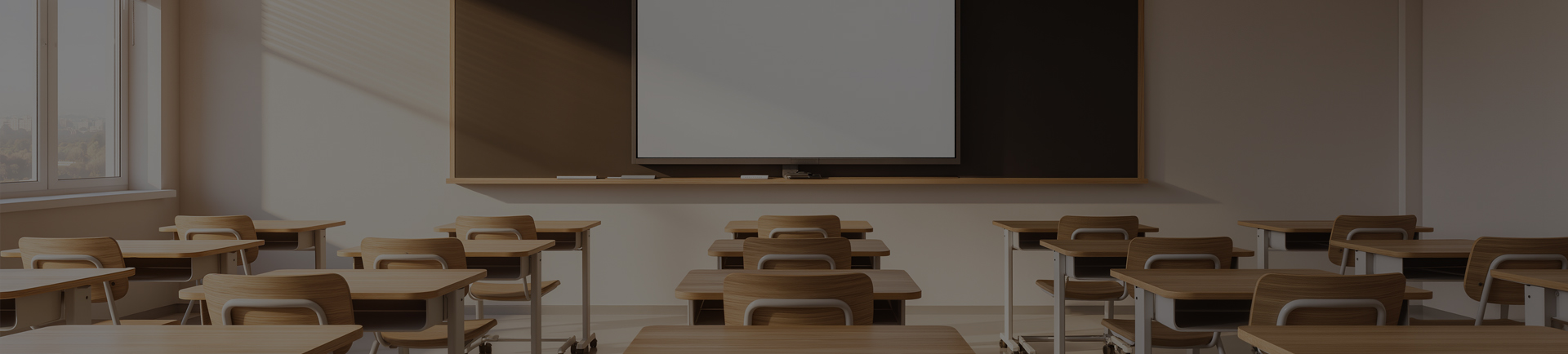
The best classroom furniture fits the students, teaching method, room size and frequency of use. Most classrooms need appropriately sized desks and chairs, accessible storage and a clear teacher area.
The current consensus is that standing desks can help students reduce sitting time and change posture more frequently, but they should not require students to stand throughout the school day.
Good standing desk ergonomics depend on correct working height, neutral posture, suitable viewing distance, enough legroom and regular position changes.
Standing desks are available as fixed-height tables, manually adjustable desks, electric sit-stand desks, desktop converters, mobile standing tables and student-focused adjustable desks.
Standing desks can help students and adults spend less time sitting, change posture more frequently and add light movement to the school or working day.
Painting a desk requires identifying its material, cleaning away grease and dirt, repairing damaged areas, sanding or abrading the surface, applying a compatible primer, and building the finish with several controlled coats.
Korean aesthetic college desks usually combine light wood tones, white or cream metal frames, compact proportions, rounded details, simple storage, and an uncluttered study setup.
Standing desk height should normally place the work surface close to the user’s standing elbow level. The shoulders should remain relaxed, the forearms should rest approximately parallel to the floor, and the wrists should not bend sharply while writing or typing.
Resetting a standing desk usually means restoring the control system after a power interruption, uneven leg movement, overload warning, or loss of its stored height settings.
Riser desks raise part or all of a work surface so the user can study, read, type, or complete other tasks at a higher position. The term may refer to a desktop platform placed on an existing table or a complete desk with an adjustable-height structure.
 Email: