
For school furniture buyers, a custom order usually fails long before mass production. The problem may start with one unclear drawing, one missing color reference, one misunderstood desk height, or one sample that was approved verbally but never recorded properly. When the final shipment arrives, the buyer may find that the tabletop size, frame color, seat height, book box position, or packaging method is not the same as the sample they expected.
This is why sourcing a custom made study table should begin with communication control, not only price comparison. For schools, training centers, education furniture distributors, and classroom project contractors, the safest supplier is not the one who answers fastest. It is the one who can turn every custom requirement into a clear sample standard before bulk production begins.
Many disputes happen because both sides believe they have already confirmed the same thing. The buyer may say “standard school size,” while the factory understands a different age group. The buyer may request “blue frame,” but the production team may not have the exact shade reference. These small gaps can become serious when hundreds or thousands of desks are produced.
A custom order should have a written sample file. It should include size, color, material, frame structure, seat height, desktop height, logo position, packing method, and any special project requirement. Once the sample is approved, the same file should guide production and inspection.
A study table for primary school students is not the same as one for secondary school students or training classrooms. Height, seat size, legroom, writing posture, and book storage needs can all change with user age.
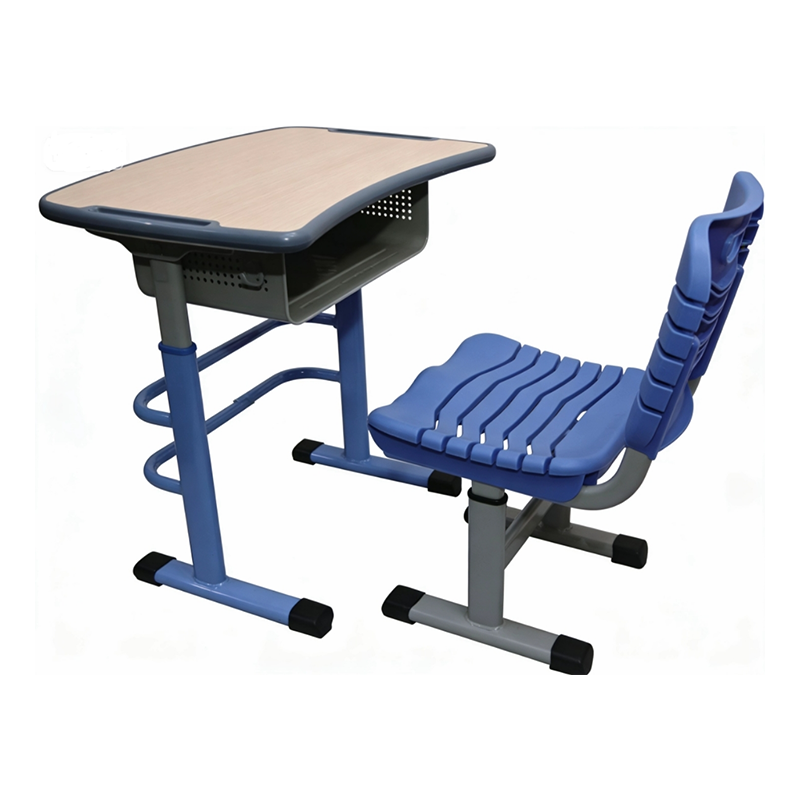
Our study table custom made option supports adjustable desk and chair height, which helps buyers prepare classroom furniture for different student groups. This is useful for schools that need one furniture direction to serve several grades or classroom layouts.
A buyer should not only send the desk size. The supplier also needs to understand how the room will be used. Will the desks face forward? Will students work in groups? Does the room need wider walking space? Is the furniture used for regular classes, tutoring, exams, or multipurpose training?
These details affect the final recommendation. A custom made study table should fit the teaching space, not only match a drawing.
Custom school furniture requires clear measurements. Desktop size, chair height, backrest size, frame tube direction, book box position, and foot cap details should not be left vague.
The product can be built around a 700×460mm desktop direction, with adjustable desk height and chair height options. Buyers can use these points as a starting reference, then adjust according to classroom age group and project needs.
The study table uses a steel frame structure, cold-rolled steel book box, PP seat material, ABS foot caps, and electrostatic powder coating. These details should be discussed according to classroom use, cleaning frequency, student behavior, and expected service life.
If the buyer only confirms the appearance, the final product may look correct but fail to match daily school use.
A sample should be assembled and used, not only viewed. Buyers should check whether the frame is stable, the seat height feels suitable, the book box is easy to use, the foot caps sit properly, and the desk does not shake during writing.
For project contractors, this step reduces future installation complaints. If a problem appears during sample assembly, it is cheaper to fix before mass production.
A practical sample review can include writing, sitting, moving the chair, placing books in the book box, cleaning the desktop, and checking whether the frame scratches the floor. These actions reveal more than a quick appearance check.
Schools and distributors should involve teachers, facility staff, or project managers in the sample review. They often notice details that procurement teams may miss.
After the sample is approved, any change should be recorded. A small adjustment to frame color, tube size, foot cap style, logo placement, or packing can affect the final shipment.
For custom orders, uncontrolled changes are one of the main reasons buyers receive goods that do not match the approved sample. A clear change control rule protects both the buyer and the factory.
Final inspection should compare production pieces with the approved sample file. The inspection should cover size, color, structure, surface finish, logo, packing, and accessories.
For education furniture distributors, this process helps protect customer trust. The school receives desks that match the agreed sample, and the distributor avoids unnecessary disputes after delivery.
The study table can be supplied with disassembled packing, export cartons, and foam padding. For school projects, this helps reduce shipping volume and protect furniture during transport.
But disassembled packing must be organized clearly. If screws, foot caps, or parts are mixed, the installation team loses time on site. For large classroom projects, packing labels and part grouping should be confirmed before shipment.
When desks arrive at the school, the installation team should already know how each unit is packed, how many parts are inside, and which classroom each batch belongs to. Clear packing can reduce site confusion and help the project finish on schedule.
A custom made study table order should not depend on loose communication. The buyer and supplier need a clear sample file, accurate drawings, practical use testing, written change control, and inspection based on the approved standard.
If your school project, training center, classroom furniture supply, or education equipment order needs custom study tables with accurate samples and clearer communication, come to us to prepare this order properly. Send the classroom layout, student age group, size requirement, color reference, logo plan, packing method, and order quantity. Our team can help turn your custom request into a clear sample standard, so the final shipment matches the approved design and reduces avoidable disputes.
 Email:


