A good high school GPA depends on the grading system, school difficulty, course level, and student goals. In many schools that use a 4.0 scale, a 3.0 GPA is often considered a solid B average, while a 3.5 or higher is usually seen as stronger. A 4.0 or near 4.0 GPA is excellent in many academic settings.
However, GPA should not be judged by the number alone. Colleges and scholarship programs may also look at course difficulty, grade trends, extracurricular activities, recommendations, essays, and the context of the student’s school.
GPA means Grade Point Average. It is a numerical way to summarize academic performance across classes. In a common 4.0 system, an A may count as 4 points, a B as 3 points, a C as 2 points, and so on.
Some schools use weighted GPAs. This means advanced, honors, AP, IB, or dual-enrollment courses may receive extra weight. In that case, a student can sometimes have a GPA above 4.0.
This is why comparing GPAs between schools can be difficult. A 3.7 in one school may represent a very different course load from a 3.7 in another school.
For general school performance, a GPA around 3.0 can show steady academic work. A GPA between 3.3 and 3.7 may be considered strong for many students. A GPA above 3.7 can be competitive, especially when it includes challenging coursework.
For highly selective universities, GPA expectations may be much higher. Strong applicants often need both high grades and rigorous courses. But for many colleges, technical schools, and pathway programs, a student’s full profile matters more than one number.
A “good” GPA should be measured against the student’s future goal, not only against classmates.
A high GPA in very easy courses may not show the same academic preparation as a slightly lower GPA in advanced courses. Many admissions teams look at whether students challenged themselves appropriately.
This does not mean every student should overload their schedule. A balanced course plan is usually better than taking too many difficult classes and losing control of grades, health, or activities.
Students should choose courses that match their ability, interests, and future direction.
A rising GPA can be a positive sign. If a student struggled in early high school but improved later, that progress may show maturity, effort, and stronger study habits.
A falling GPA may need explanation, especially if the student had personal, family, health, or school-related challenges. In many applications, students can use additional information sections or counselor support to explain the context.
Schools and parents should encourage students to build consistent routines before problems become serious.
GPA is shaped by teaching, motivation, time management, sleep, support, and learning environment. A student who studies in a crowded, uncomfortable, or poorly organized space may find it harder to focus.
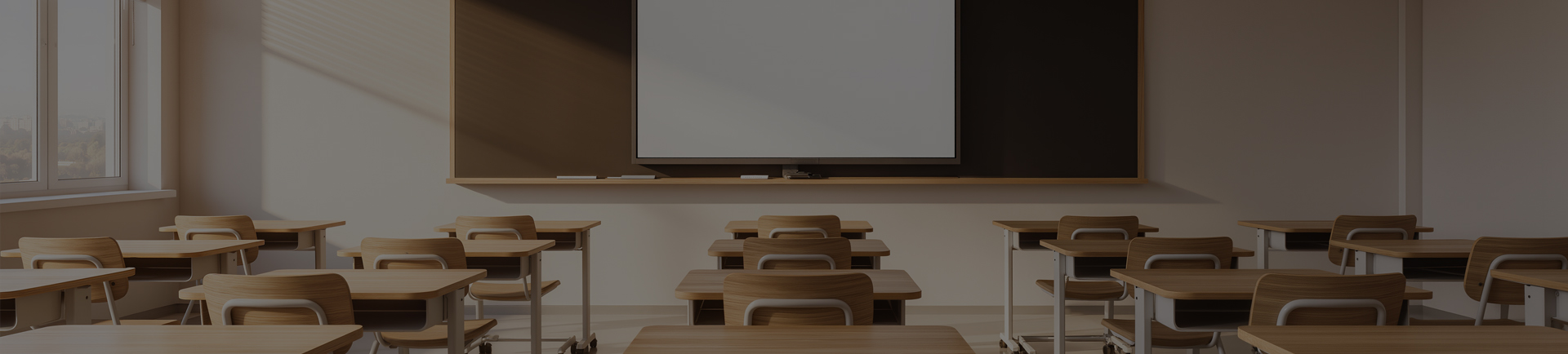
Classroom furniture also plays a quiet but important role. Desks should provide enough writing space. Chairs should support long lessons. Study rooms should allow students to read, write, and review without unnecessary distraction.
Our student desks and chairs are designed for classroom learning environments where students need stable work surfaces and daily seating comfort.
Schools that want to support GPA improvement should not only focus on exams. They should also look at how classrooms, libraries, tutoring rooms, and dormitory study areas are arranged.
A well-planned study area gives students a place to review lessons, complete assignments, and prepare for tests. Reading Tables, individual desks, and collaborative tables can support different study habits.
Our custom made study desk options can be adjusted for educational environments that need specific dimensions, materials, colors, and classroom configurations.
Students can improve GPA by using regular study routines, reviewing notes soon after class, asking for help early, tracking deadlines, and preparing before assessments.
A few simple habits often make a difference:
Use a weekly assignment plan.
Review mistakes after tests.
Ask teachers questions before falling behind.
Study in a clean and stable workspace.
Balance difficult courses with realistic time management.
These habits are easier to maintain when the learning environment is organized.
We manufacture school furniture for classrooms, reading rooms, dormitories, and campus supporting spaces. For schools and education contractors, furniture selection should support long-term learning, not only classroom appearance.
When desks, chairs, reading tables, and dormitory furniture are selected correctly, students can move more smoothly between class time, self-study, group learning, and rest.
A good high school GPA is usually one that supports the student’s next goal. For many students, a 3.0 or higher shows steady performance. For more competitive college pathways, a higher GPA with challenging courses is usually stronger.
Students should focus not only on the number, but also on learning habits, course choices, improvement trends, and study environment.
Send us your classroom size, grade level, study room layout, desk requirement, chair type, color preference, packaging needs, and order quantity. Our team can recommend suitable school furniture for daily learning and academic support spaces.
 Email:


