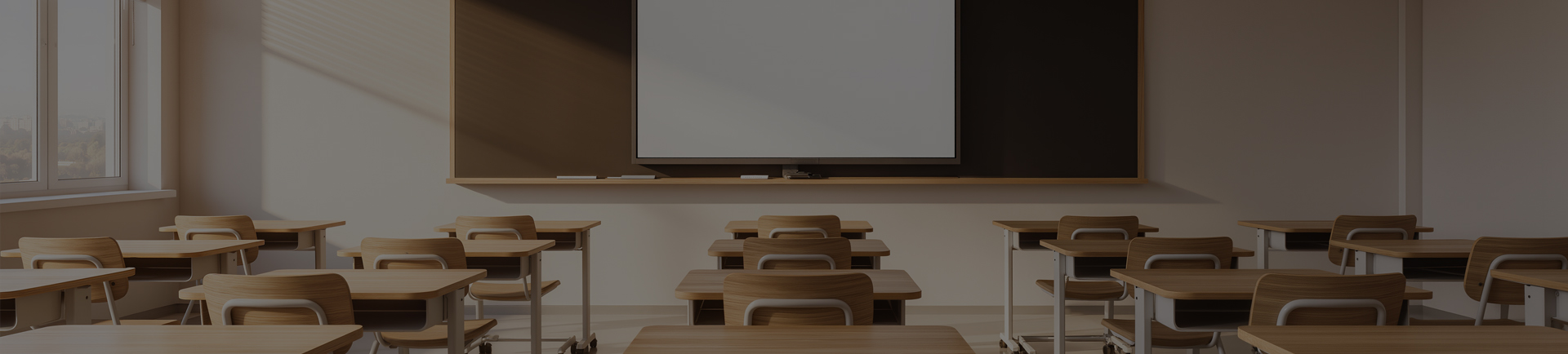
In high-traffic environments like campus refectories or corporate canteens, the lunch hour is often a battle against space. The math seems simple—more seats mean more diners—but in reality, adding loose furniture often leads to a chaotic floor plan. We’ve seen many facilities where chairs are scattered across aisles, blocking emergency exits and creating trip hazards during peak rushes. When people are carrying hot trays in a cramped environment, a "congested" floor plan isn't just an eyesore; it’s a significant liability risk. The challenge is finding a way to fix the seating density without losing control of the room's flow.
The most effective way to prevent a dining hall from becoming a cluttered mess is to remove the variable of "movable" furniture. When chairs are independent of tables, they inevitably migrate. A professional
By utilizing an integrated
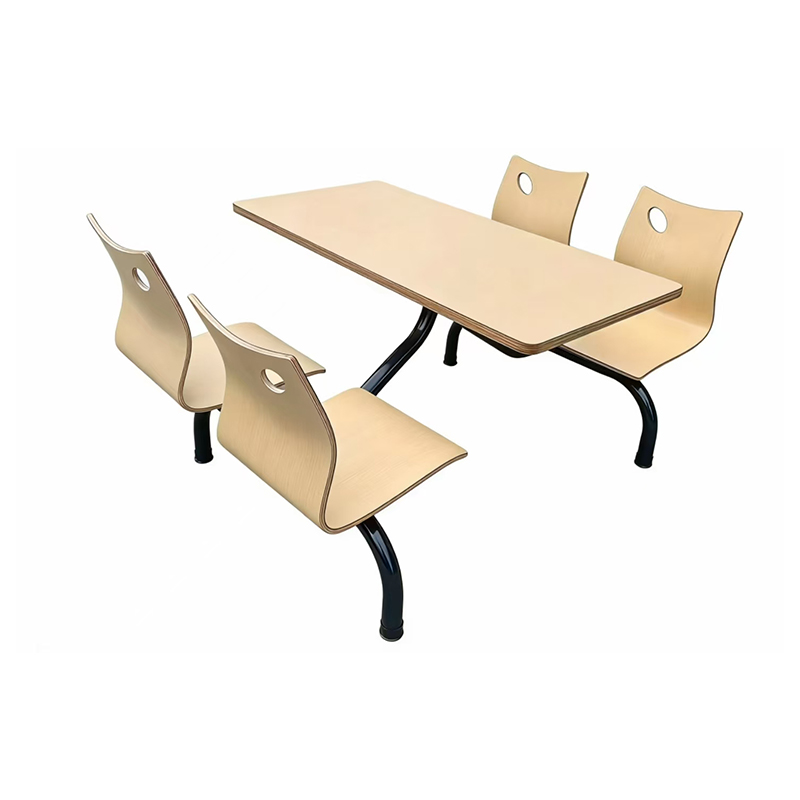
In a B2B setting, the longevity of a product is measured by its resistance to daily industrial cleaning and constant friction. A canteen table isn't just a piece of furniture; it’s a high-wear asset. We prioritize materials that stand up to steam mopping, acidic food spills, and the physical impact of heavy backpacks. Our products feature curved plywood or high-pressure laminate surfaces combined with heavy-gauge powder-coated steel. This combination ensures that the
From a maintenance perspective, the "open-base" design of integrated units is a major operational advantage. Cleaning crews can mop or sweep under the entire dining unit in a single pass without having to flip hundreds of chairs onto table tops. For a large factory or school district, this reduction in daily labor hours translates into significant annual savings. It’s about more than just a place to sit; it’s about choosing a hardware configuration that lowers the overall operating cost of the facility.
No two dining halls have the same dimensions. A pillar in the middle of a room or an awkward corner can render standard catalog items useless. As an experienced supplier, we recognize that our clients often need an ODM approach to maximize their specific floor plan. Whether you need to adjust the frame height for a primary school or require specific fire-retardant finishes for a high-risk industrial zone, our manufacturing team can adapt the technical specifications to fit your project.
Our OEM services extend to aesthetic integration as well. We can coordinate the steel frame colors or the wood-grain finish of your
Maximizing dining capacity is a strategic exercise in spatial management. The goal is to create a high-density environment that feels organized and remains safe under pressure. By moving away from loose chairs and adopting integrated, high-durability units, you can regain control over your floor plan and provide a much better experience for your diners.
If you’re currently dealing with a crowded canteen where the layout never stays organized, we can provide a layout audit for you. Our team is available to review your current floor dimensions and suggest the most efficient configuration of integrated units to solve your congestion issues. Please contact us to request a technical data sheet or to discuss a custom ODM prototype for your next facility upgrade. We’re ready to help you turn a chaotic dining hall into a high-performance space.
 Email:


