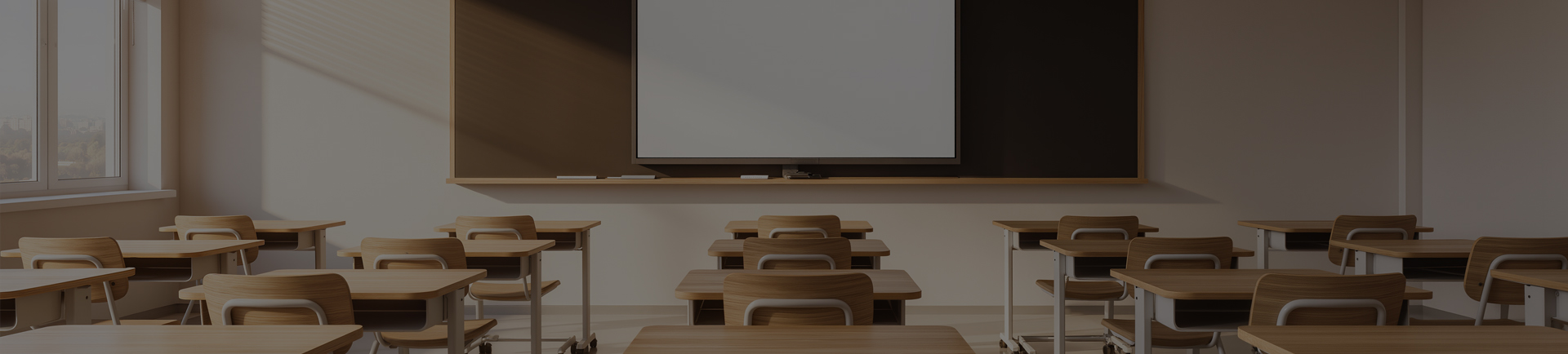
The current consensus is that standing desks can help students reduce sitting time and change posture more frequently, but they should not require students to stand throughout the school day. Evidence does not support treating standing as a complete replacement for sitting. Schools arranging a bulk supply of adjustable classroom standing desks should provide correctly sized furniture and allow students to alternate positions.
Classroom standing desks are often described as “active desks” because they allow students to work while upright and make small movements without leaving their workstation.
A systematic review of classroom standing desks found that they may be a feasible way to reduce sedentary behaviour in school-aged children. Later research on active desks also reported increased energy expenditure, although results varied according to desk type, study design and student group.
The clearest conclusion is therefore modest: standing desks can reduce some seated time.
Claims that they automatically improve academic performance, prevent every posture problem or produce major health changes are much less certain.
Standing is still a static posture when a student remains in the same position for too long. Legs and feet may become uncomfortable, particularly when the desk height is incorrect.
A practical classroom should support variation:
Sit during longer reading or writing tasks
Stand for selected lessons or group activities
Change position when discomfort develops
Include normal classroom movement
Adjust the desk to suit the user
The value comes from providing another working position—not declaring one posture universally correct.
The work surface should normally sit near the student’s standing elbow level. Shoulders should remain relaxed, elbows should not be forced upward and the student should not need to bend deeply over the desktop.
This creates a challenge in schools because students in the same grade can differ considerably in height. A single fixed standing height may fit only part of the class.
Our adjustable student desk chair uses several desk and chair height positions. For a bulk supply of adjustable classroom standing desks, a similar multi-height strategy helps schools respond to different student groups instead of relying only on age labels.
They may be useful in:
Flexible learning classrooms
Project-based learning spaces
Libraries and study zones
Selected computer or media areas
Classrooms introducing sit-stand rotation
Teaching spaces used by several age groups
They may be less appropriate when the room is too crowded, height adjustment is difficult to manage or the desk base creates a tripping obstruction.
Teachers also need a clear plan. If every student changes height and position at the same time without classroom rules, movement can become distracting.
A pilot classroom can reveal more than a catalogue.
Schools should observe:
Whether the height range fits the actual students
How easily the desk can be adjusted
Whether the desk remains stable at its highest position
How books, bags and devices are stored
Whether students can alternate sitting and standing
How the furniture affects classroom circulation
Whether teachers can maintain a consistent layout
Our manufacturing work covers educational desks, chairs and other campus furniture. Desktop dimensions, frame structure, height range, colours, storage and packaging can be reviewed for project orders. This allows the sample to be evaluated before a bulk supply of adjustable classroom standing desks enters full production.
Standing desks are not a cure for all the effects of prolonged sitting. Their strongest role is giving students more opportunities to vary posture during the school day.
Send us the student age range, height data, room dimensions, number of workstations and required adjustment method. We can assess whether an adjustable or mixed-height furniture plan is more appropriate.
Discuss a classroom standing-desk pilot project.
 Email:


