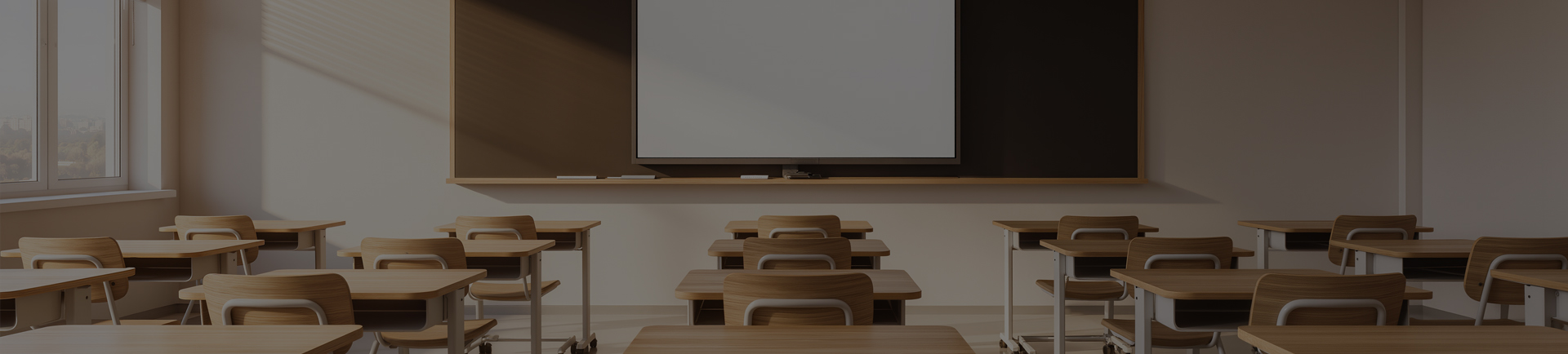
Individual student desks vs collaborative tables is not simply a choice between traditional and modern classrooms. Individual desks support personal focus, assessment, and controlled spacing. Collaborative classroom tables support discussion, shared materials, and project-based learning. Which works better depends on the teaching activity, room size, student age, and frequency of layout changes.
Many schools achieve the best result with a mixed furniture strategy rather than forcing one layout to serve every lesson.
The furniture should follow the lesson. Quiet reading, individual writing, and examinations benefit from personal work areas. Team problem-solving, model building, and peer discussion benefit from shared tables.
Before purchasing, schools can estimate how classroom time is divided among:
Direct teacher instruction
Independent written work
Pair activities
Groups of four to six
Practical projects
Assessments
Digital learning
This simple teaching profile is more useful than selecting furniture according to a showroom photograph.
An individual desk defines one learner’s working area. It can include a book box, bag hook, and dedicated writing surface. Teachers can arrange units in rows, pairs, a U-shape, or small clusters depending on the lesson.
The main advantages are personal organization and layout control. During tests, desks can be separated. During lectures, sightlines can be directed toward the front. If one desk is damaged, it can be removed without taking an entire group table out of service.
Single desks are also easier to size for individual students when adjustable models are used. Our adjustable student desk chair offers multiple desk and chair heights for classrooms serving changing age groups.
Possible drawbacks include more individual legs to clean around, more pieces to count and move, and a greater chance of rows becoming misaligned. Lightweight desks can be flexible, but they should remain stable under normal classroom use.
Collaborative tables create a shared center for several students. They make it easier to distribute group materials and maintain face-to-face communication. A teacher can move between teams rather than reorganizing separate desks before every activity.
These tables work well in:
Project-based classrooms
Art and maker spaces
Early-years group activities
Libraries and study areas
Training rooms
Flexible learning zones
However, a group table provides less personal separation. Noise, distraction, and unequal use of the surface may increase when the lesson is not designed for teamwork. Large tables are also harder to move and may reduce the number of possible room layouts.
If teachers switch between independent and group work several times a day, individual desks that cluster into predictable modules may be more flexible. If the room is dedicated to project work, collaborative tables avoid continual rearrangement.
Individual desks commonly include book boxes or bag hooks. Collaborative tables may need separate shelves, mobile storage, or wall cabinets to prevent the shared surface from becoming crowded.
Younger learners may benefit from clearly defined seating places and rounded, easy-to-clean surfaces. Older students may need larger work areas for laptops, textbooks, or technical materials. Furniture dimensions should follow the user group in either layout.
Measure clear walkways when chairs are occupied, not just when they are pushed in. Collaborative tables can look efficient while empty but create bottlenecks once several students sit around them. Individual desks require enough spacing to avoid overcrowded rows.
Facilities teams need access for cleaning and repair. Standardized fasteners, replaceable feet, durable edges, and consistent frame finishes matter for both configurations. Furniture that moves frequently also requires good floor-contact components and controlled weight.
Yes. Rectangular or trapezoidal individual desks can be grouped into pairs or clusters when their dimensions and leg positions are compatible. This approach keeps a personal workstation while allowing temporary teamwork.
The transition must be easy enough to perform without consuming the lesson. Floor markings, agreed configurations, and manageable desk weight can help. Desks should not have protruding components that catch clothing or interfere when units are placed together.
Our comfortable student desk chairs use a 600 × 400 mm desktop and adjustable frame, a format that project planners can evaluate for individual rows or grouped layouts.
A school furniture wholesale supplier should help buyers compare usable surface area, student capacity, frame stability, materials, packaging volume, and replacement planning—not only unit price. For a school or distributor, the lowest-cost arrangement can become expensive if it limits teaching or fails to fit the room.
Our factory produces desks, chairs, Reading Tables, Dormitory Beds, nap furniture, and canteen furniture. We can adjust dimensions, desktop finish, metal-frame color, storage format, logo, and packaging for project orders. Production control covers steel-tube fabrication, welding, powder coating, panel and molded-component fit, assembly checking, and export packing.
For a new layout, we recommend confirming a sample and building a small classroom mock-up. Teachers can then test movement, sightlines, group formation, storage, and cleaning access before the complete order is released.
Predominantly independent classroom: Use single desks as the standard and group them temporarily for pair or team work. This suits rooms that alternate between instruction, writing, and assessment.
Predominantly collaborative classroom: Use group tables with separate storage and a few individual stations for quiet work. This suits project-led learning.
Hybrid classroom: Divide the room into zones, combining individual desks, one or two collaborative tables, and flexible seating. This provides variety but requires more careful space planning.
Individual student desks work better where personal focus, testing, flexible separation, and assigned storage are priorities. Collaborative tables work better where group interaction is the normal teaching method and shared resources are used throughout the day.
The strongest decision is based on the proportion of activities, not a design trend. If a school needs both, modular individual desks or a hybrid layout can provide a practical middle ground without requiring every piece of furniture to perform every role.
 Email:


