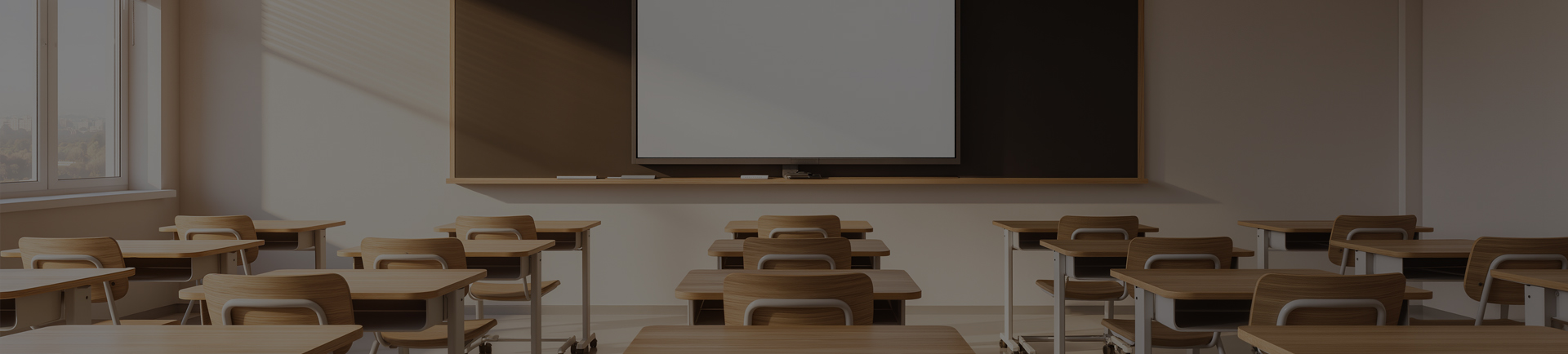
A children’s desk should provide a safe, stable, comfortable, and practical space for writing, reading, drawing, and learning activities. It should have suitable dimensions, smooth surfaces, rounded edges, enough legroom, and a structure that can withstand repeated daily use.
Children’s furniture also needs to support changes in activity. A desk may be used for handwriting in the morning, drawing in the afternoon, and reading or homework later in the day. Its design should therefore combine comfort, safety, organization, and easy maintenance.
The desk height should work with the child’s chair and body size. A desk that is too high may cause raised shoulders and arm discomfort. A desk that is too low may encourage the child to lean forward.
A suitable children’s desk should provide:
Comfortable elbow position
Enough space for the knees
Stable foot placement
Appropriate writing height
Clear view of books
Comfortable distance from the desktop
Schools and parents should avoid selecting furniture only by appearance. Dimensions should be matched to the child’s age, height, and expected use.
Children may move quickly around furniture and may not notice sharp corners. The desk should therefore have rounded or softened edges and a smooth finish.
The desktop should be:
Smooth to touch
Free from sharp edges
Resistant to common marks
Easy to clean
Strong enough for books and materials
Stable during writing and drawing
The surface should not have loose decorative parts that can be easily removed. A simple, well-finished structure is often safer and easier to maintain.
Children may lean on the desk, move materials across the surface, or accidentally apply pressure to one side. The frame should remain stable during normal classroom activity.
Stability depends on:
Leg structure
Frame connections
Desktop support
Fastener quality
Floor contact
Overall weight distribution
A stable desk helps children concentrate and reduces the risk of items falling from the surface. It also lowers the likelihood of damage caused by repeated movement.
XIAOYING’s educational furniture production includes material inspection, structural manufacturing, assembly, and quality management. Its experience in school equipment helps support desks and chairs for regular use in classrooms and study spaces.
Children’s desks may include a book shelf, storage compartment, drawer, or open space beneath the desktop. Storage helps keep books and stationery organized.
However, storage should not:
Reduce legroom
Create sharp corners
Trap excessive dust
Make the desk top-heavy
Prevent easy cleaning
Make the product difficult to move
Open storage is easy to access, while enclosed storage may protect materials better. The right structure depends on the classroom routine and the age of the users.
A children’s desk should be useful for more than handwriting. The surface may need to accommodate:
Storybooks
Notebooks
Drawing paper
Colored pencils
Building materials
Tablets
Small learning tools
Homework folders
A practical desktop gives children enough space without making the desk too large for the classroom. For schools, the best size is usually the one that balances student comfort with efficient room arrangement.
Children’s furniture is exposed to pencil marks, food residue, dust, paint, and frequent hand contact. The desk should have surfaces that teachers or parents can wipe without difficulty.
Buyers should review:
Surface smoothness
Resistance to common stains
Edge finishing
Cleaning access beneath the desk
Moisture resistance
Hardware protection
Easy maintenance is especially important for kindergartens, primary schools, libraries, and shared activity rooms.
Some children’s desks have adjustable height or modular structures. These options can help schools use one product range for different age groups or classroom settings.
Adjustability may involve:
Desk height
Desktop angle
Storage position
Desk and chair combination
Modular classroom arrangement
Adjustable features should be simple and secure. A mechanism that is difficult to operate or easy to loosen may create more maintenance work.
Before ordering children’s desks, B2B buyers should check:
Desk height and dimensions
Recommended student age
Desktop material
Edge and corner design
Frame stability
Chair compatibility
Storage structure
Cleaning requirements
Packaging protection
Sample performance
A Wholesale Supplier of children’s desks should provide clear technical information and support sample confirmation before mass production.
For a Bulk Order of children’s desks and chairs, buyers should also confirm color consistency, quantity by size, carton arrangement, delivery batches, and replacement parts.
An OEM ODM Manufacturer of children’s school furniture can customize the product according to the target market, education system, or project requirements.
Customization may cover:
Desk dimensions
Height range
Desktop color
Frame finish
Storage function
Chair matching
Product logo
Instruction manual
Packaging design
XIAOYING supports customized educational equipment for schools, distributors, contractors, and brand owners. Its product categories include Student Desks and Chairs, Reading Tables, Folding Beds, Dormitory Beds, and canteen tables and chairs.
The company’s school desk and children’s furniture solutions can be developed for classrooms, reading spaces, early education environments, and complete campus projects.
Children’s furniture needs to balance safety, durability, comfort, and cost. A supplier with experience in educational equipment is more familiar with classroom use, repeated handling, student age differences, and school procurement requirements.
XIAOYING was founded in 2003 and focuses on the R&D, production, and sales of educational equipment. The company has served schools in multiple markets, exports to more than 50 countries, and obtained ISO9001 quality management system certification.
This manufacturing background supports stable Export Quality children’s desk supply for international distributors and education projects.
A suitable children’s desk should be able to:
Support comfortable posture
Provide a stable writing surface
Protect children from sharp edges
Offer enough legroom
Store basic learning materials
Support reading, writing, and drawing
Remain easy to clean
Withstand repeated daily use
Match the chair correctly
Fit the classroom layout
A children’s desk should combine safety, comfort, stability, storage, easy cleaning, and practical learning space. The best design is not necessarily the most complex one. It is the desk that fits the child, supports daily activities, and remains dependable in a busy educational environment.
XIAOYING supplies customized children’s desks, student desks, chairs, reading tables, and other educational furniture for schools, wholesalers, contractors, and international furniture brands. Its OEM/ODM capability and quality management support long-term campus furniture projects.
 Email:


