Student teaching is the stage when a future teacher moves from university coursework into a real classroom. Under the guidance of an experienced teacher, the trainee observes lessons, supports students, prepares teaching materials, and gradually takes responsibility for leading the class.
The placement gives teaching candidates an opportunity to experience the daily rhythm of a school before working independently. It also helps them understand that teaching involves much more than explaining a subject. Planning, communication, assessment, classroom organization, and responding to individual student needs are all part of the role.
Most placements begin with observation. The student teacher watches how the classroom is organized, how instructions are given, and how the teacher responds when students need additional support.
As the placement continues, the trainee may begin helping with small tasks before leading complete lessons.
| Placement Stage | Typical Work |
|---|---|
| Classroom observation | Learning routines, teaching methods, and student behavior |
| Teaching assistance | Preparing materials and supporting individuals or small groups |
| Shared teaching | Planning and delivering lessons with the supervising teacher |
| Independent teaching | Leading lessons and managing classroom activities |
| Review and reflection | Discussing results and improving future lesson plans |
The exact arrangement depends on the school, subject, age group, and teacher-training program.
A normal day may include preparing lesson plans, arranging classroom materials, teaching a new topic, checking assignments, and discussing student progress with the supervising teacher.
Student teachers may also:
Lead group discussions
Assist students who need extra guidance
Prepare worksheets or visual materials
Record observations about student learning
Attend school meetings
Help organize classroom activities
Adjust lessons after receiving feedback
The experience teaches candidates how to make decisions while a lesson is happening. A plan may look clear on paper but need to be changed when students work at different speeds or misunderstand an instruction.
The experienced classroom teacher remains responsible for the students while supporting the trainee.
At the beginning, the supervising teacher usually explains the class schedule, school rules, learning goals, and student needs. Later, the trainee is given more responsibility while the teacher observes and provides feedback.
A successful placement works best when both people agree on practical details such as:
When lesson plans should be submitted
Which classes the trainee will teach
How classroom behavior will be handled
When feedback will be discussed
Who will communicate with parents
How student work will be assessed
Regular communication prevents confusion and gives the trainee a clearer path for improvement.
Teaching courses provide knowledge about curriculum, assessment, child development, and classroom management. Student teaching shows how that knowledge works in practice.
During the placement, future teachers learn how to:
Explain ideas in different ways
Keep lessons moving at a suitable pace
Organize transitions between activities
Support students with different abilities
Manage time and classroom behavior
Evaluate whether students have understood the lesson
Reflect on what should be changed next time
The experience also helps candidates decide which age group or subject area suits them best.
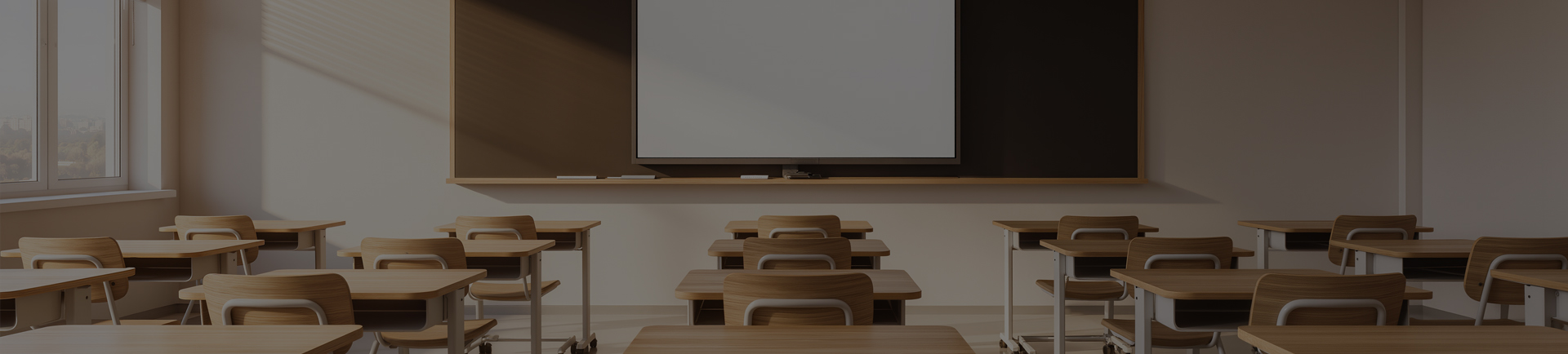
The classroom layout can make teaching easier or more difficult. A trainee often needs to move between the front of the room, individual desks, and group work areas.
Desks and chairs should leave clear walking routes and provide enough space for learning materials. Furniture that can be rearranged also helps when the teacher changes from individual work to group discussion.
A practical classroom may include:
Single desks for focused work
Double desks for shared activities
Reading Tables for group discussion
Storage for books and teaching supplies
Chairs matched to the students’ age and height
Surfaces that are easy to clean after daily use
The supervising teacher should also have a position where lessons can be observed without distracting students.
We manufacture Student Desks and Chairs, collaborative reading tables, nap desk chairs, Dormitory Beds, Folding Beds, and canteen furniture for schools and educational projects.
Different classrooms have different requirements. Primary-school furniture needs to suit younger students, while secondary schools, training rooms, libraries, and teaching laboratories may need larger work surfaces or more flexible layouts.
For customized projects, we can review:
Classroom dimensions
Student age groups
Required seating capacity
Desk and chair sizes
Frame and desktop colors
Storage requirements
Logo and label design
Packaging and delivery arrangements
Drawings or samples can be prepared before bulk production so the furniture fits the room plan and intended teaching method.
Student teaching gives future educators a supervised opportunity to understand real classroom work. It allows them to practise lesson planning, communication, classroom management, and assessment before teaching independently.
Strong mentoring is important, but the physical classroom also matters. Clear aisles, suitable desk sizes, flexible layouts, and dependable furniture help both the trainee and supervising teacher focus on the students rather than the limitations of the room.
Previous: How To Build A Studio Desk?
 Email:


